NOURI: Using her voice to represent refugees
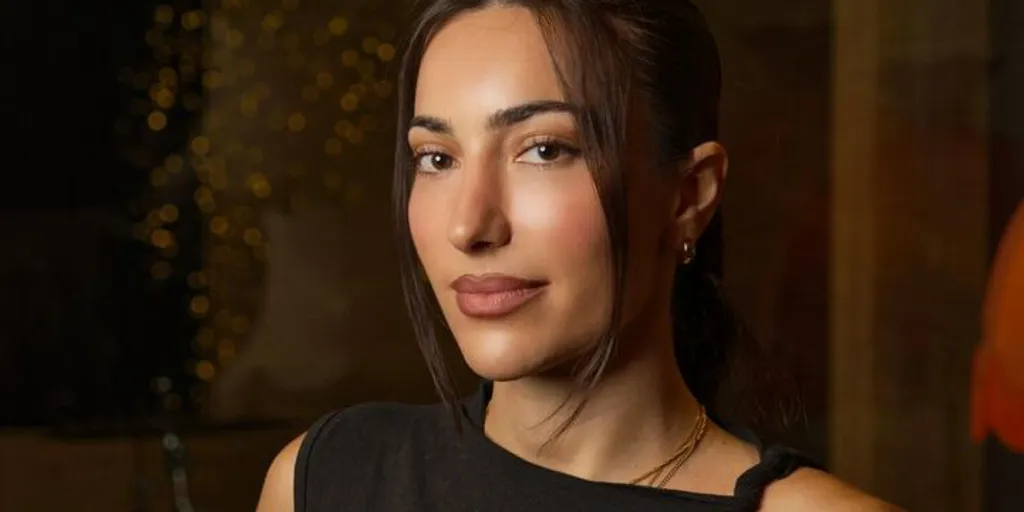
Born in a refugee camp after her family fled conflict in Kurdistan, international singer and songwriter NOURI uses music to inspire others – especially people forced to flee their homes.

Rez talks to us about her remarkable journey and the generosity of donors who make the life-changing work possible.
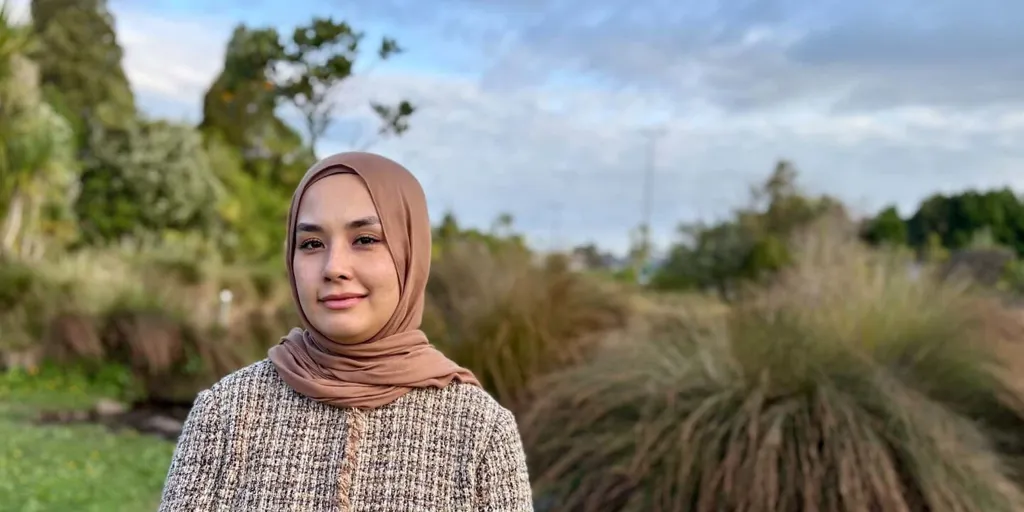
New Zealand human rights lawyer Rez Gardi was six years old when she left the only home she'd ever known – a refugee camp in Pakistan.
Her parents, both human rights activists, had fled the Kurdistan Region of Iraq before she was born, following years of persecution. Rez, along with her parents and siblings, were ultimately resettled in New Zealand with UNHCR's support.
Earlier this year, Rez was appointed Special Assistant to the UN High Commissioner for Refugees – helping shape the very organisation that changed the course of her life.
She spoke with Aotearoa New Zealand for UNHCR about the role – and the generosity of donors who make the life-changing work possible.
Rez was 13 years old when her family took her to the Kurdistan Region of Iraq to learn more about her family history. Hearing the stories of her parents and their peers – who risked their lives for what they believed in – ignited a passion within Rez.
“That's when a thought sparked in my mind,” she says. “Maybe I can fight for human rights for the Kurdish people and others around the world with similar experiences.”
And so began an incredible career.

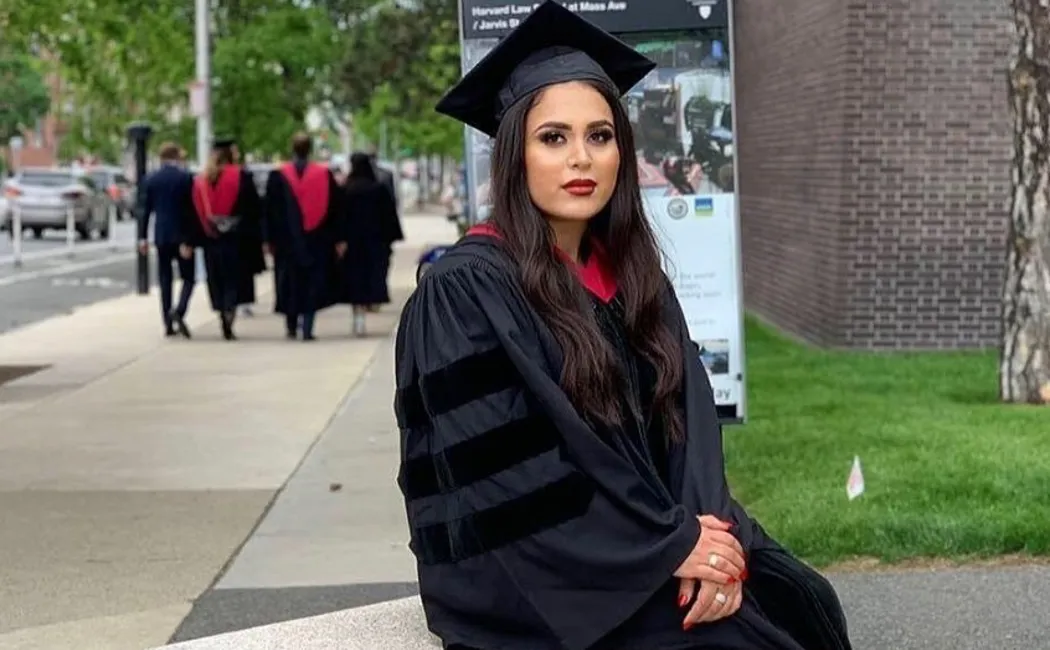
Rez was the first in her family to finish high school, before becoming New Zealand's first female Kurdish lawyer and the first Kurd to graduate from Harvard Law School. She worked in the Kurdistan Region of Iraq gathering evidence for the prosecution of ISIS militants for their crimes against the Yazidi people, and in 2025 was awarded the New Zealand Order of Merit for her services to refugee and human rights advocacy.
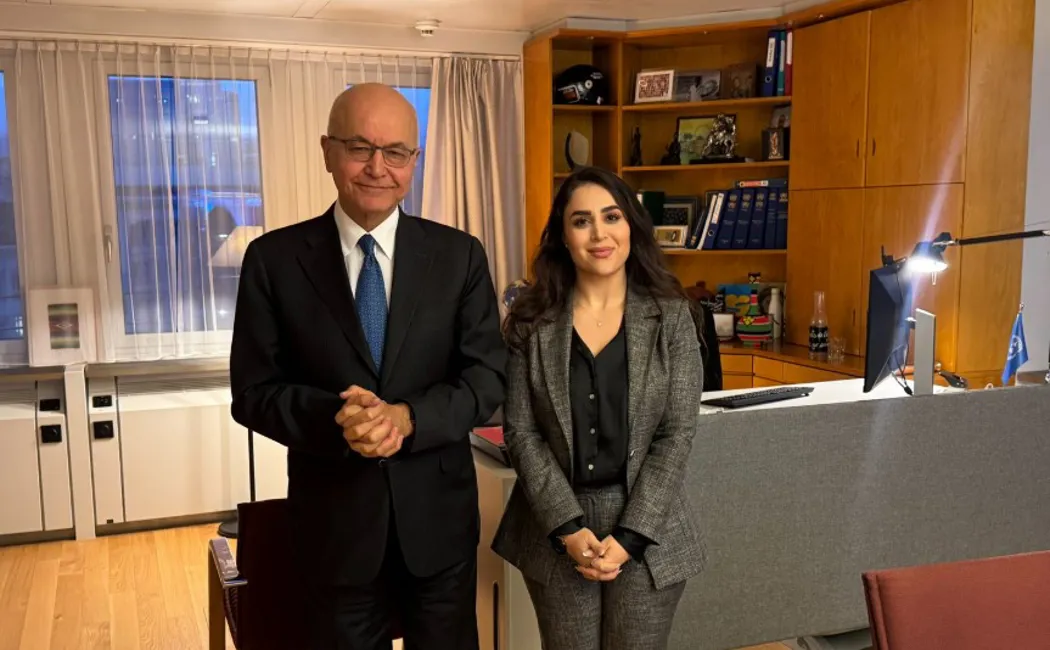
Today, Rez works closely with the UN High Commissioner for Refugees, Barham Salih – himself a Kurdish refugee who fled persecution under Saddam Hussein.
She helps translate his vision for refugees worldwide so it can be better heard and understood by those in a position to make a difference. On any given day, she could be crafting speeches, attending meetings with partners, host states or philanthropists, or helping map out strategies around protection and solutions.
“It's deeply meaningful to be able to work in a space where I can contribute to the lives of people who, just like my family, were forcibly displaced,” she says.

Central to the High Commissioner's vision is a message Rez feels deeply: that being a refugee should never become permanent.
“He's been very fierce in his advocacy that being a refugee is supposed to be a temporary status. It's not supposed to define you for the rest of your life,” Rez says. “People need to be able to rebuild their lives with dignity and to not be in a permanent state of limbo.”
Rez says one of the things that has surprised her the most is the depth of compassion from regular people living a world away from unfolding crises.
“You might think the people supporting UNHCR’s work would be those with the deepest pockets, but a significant amount comes from everyday people who are showing their compassion,” she says.
“The message I want to leave is: no matter where you are in the world and what you do in terms of your work or daily life, you can make a difference.”

Born in a refugee camp after her family fled conflict in Kurdistan, international singer and songwriter NOURI uses music to inspire others – especially people forced to flee their homes.

Madiha’s story is one of resilience and a deep commitment to giving back to her community.