NOURI sits on a stage floor wearing a voluminous yellow dress
© Supplied
Location icon New Zealand

NOURI: Using her voice to represent refugees

Born in a refugee camp after her family fled conflict in Kurdistan, international singer and songwriter NOURI uses music to inspire others – especially people forced to flee their homes. 

We sat down with NOURI to talk about her journey so far, her faith, and her belief that no matter where you begin, hope can carry you forward.

Can you start by introducing yourself and who you are as an artist today?

My name is NOURI. I’ve been singing since I was four years old. 

I grew up listening to Whitney Houston, Mariah Carey, Christina Aguilera, Britney Spears. I started with pop music and I’ve always loved writing all kinds of music. But recently, my love for worship music has just been overwhelming – to the point where I was like, “this is truly what I believe I should be doing”. So that’s what I’m doing now.

How would you describe your music and what drives your creative expression?

My faith. Definitely my faith.

And my personal experiences. I wouldn’t even box it into worship music only. It’s uplifting. It’s heartfelt. It’s honest. When I genuinely feel it, people feel it too.

I’ve always wanted to help people in some way. So if I can do that through music – if I can resonate with people around the world without physically being there – I feel like that’s my purpose right now.

You were born in a refugee camp in Syria after your family fled conflict in the Kurdistan region of Iraq. Can you share a little about that journey?

In the early 1990s, my family had to flee Kurdistan because of the war. My mum had two young kids at the time – my older sisters. My dad stayed behind because the soldiers had come into the city, and he said, “you guys need to go and save yourselves first”.

They tried to cross into Iran but were denied at the border. They were told there were too many people and that no help would be given. So they had to go back, even though they knew what they were going back to.

When they returned, soldiers lined them up and pointed guns at them. They said they could kill them right there, but that Saddam Hussein had given them one month of “grace” to stop rebelling. Even then, bombs kept falling. My mum’s house was bombed. She had to flee to neighbours’ homes. It was constant fear.

I can’t imagine what that feels like – holding two kids, knowing you could die in that moment.

What happened next?

There was no home anymore, so they fled to Syria. They were let in, and that’s where they sought safety in a refugee camp. That’s where I was born – in a tent.

From what I remember – and from what my mum tells me – life felt normal to us. My mum always made it normal. Playing with rocks, running around – that’s what we had.

Family, for me, is not a place. It’s the people. As long as we were together, it didn’t really matter where we were.

After three years, New Zealand opened its doors to us. We arrived with ten other families. Thank God. And we’ve been there ever since.

What was it like starting a new life in New Zealand?

It was hard for my mum. We didn’t have anything. 

There was the language barrier, figuring out where we would live, raising six kids mostly on her own.

We went to school with plastic bags instead of school bags. It was embarrassing as a kid, but I felt bad for my mum because she wanted to give us more. But there was always food on the table. We always had a roof over our heads. We were close.

We leaned on each other. We learned English quickly. We had a normal childhood in many ways. Even after 9/11, when there was bullying, we still knew we’d been given something huge – a second chance.

Coming as refugees meant we got a chance to live. And we got a chance to dream.

NOURI, aged 3, stands in her living room with her mother and younger sister in their first home in New Zealand.
© Supplied
NOURI (right), aged three, with her mother and younger sister in their first home in New Zealand.

What role did music play for you during those years?

Music was an outlet. I’d just always been singing. My sisters were like, “wait, that actually sounds good”. I didn’t believe them. I watched my favourite artists on TV and stood so close to the screen I felt like I was inside it.

When I was nine, I entered a talent quest just to test it out. I sang 'When You Believe' by Whitney Houston and Mariah Carey, a cappella. I got a standing ovation.

The next day, a mother from the school chased me after class and told me she’d bought me singing lessons. I knew how expensive lessons were, and I knew my mum couldn’t afford them. That stranger believing in me – I’ll never forget it. One kind gesture can really change someone’s life.

How have your experiences shaped the music you make today?

It’s all about belief. Believing that hardship isn’t forever. Believing that God has a bigger plan.
Before I started writing worship music, I would sing it and feel something I couldn’t explain. Then I thought, “maybe I can write my own”.

It’s that feeling where you believe so deeply that anything is possible – that where you come from doesn’t define where you can go.

You’ve spoken about representing refugees on a global stage. Why is that important to you?

When I released my first song, someone sent me a video of it being played in a refugee camp. The kids were smiling. They were dancing. I just cried.

That’s why I do this. A second chance is everything for these families, especially for the kids. It’s knowing that.

What do you hope kids in refugee camps feel when they listen to your music?

Honestly – “she did it, so can I”.

That’s it.

I want them to know not to give up. To hold onto faith, whether that’s faith in God or faith in themselves. To never let anyone dim their light.

NOURI stands facing the camera wearing a black singlet top
© Aotearoa New Zealand for UNHCR/Ben Rowsell
NOURI: “Where you come from doesn’t define where you can go.”

When you look back on your journey so far, what are you most proud of?

Making my mum proud. That’s number one. My mum’s strength was indescribable. I watched her survive the impossible with six kids, and that taught me everything. Her name means “hero”.

And not giving up. It would have been easy for me to stop. There were so many rejections, so many obstacles, especially as someone born in a refugee camp. But I kept going.  

What gives you hope today?

My faith. It’s what keeps me grounded. It’s what keeps me going when things feel impossible.

And knowing there’s still so much to do.

Representing refugees. Helping others. Using my voice for something bigger than me.

"It’s all part of my story. And it’s my mum’s story too. I’ll carry it forever."

Related Stories

View all stories
New Zealand_Eyad-Masoud
© Australia for UNHCR
Location icon
New Zealand

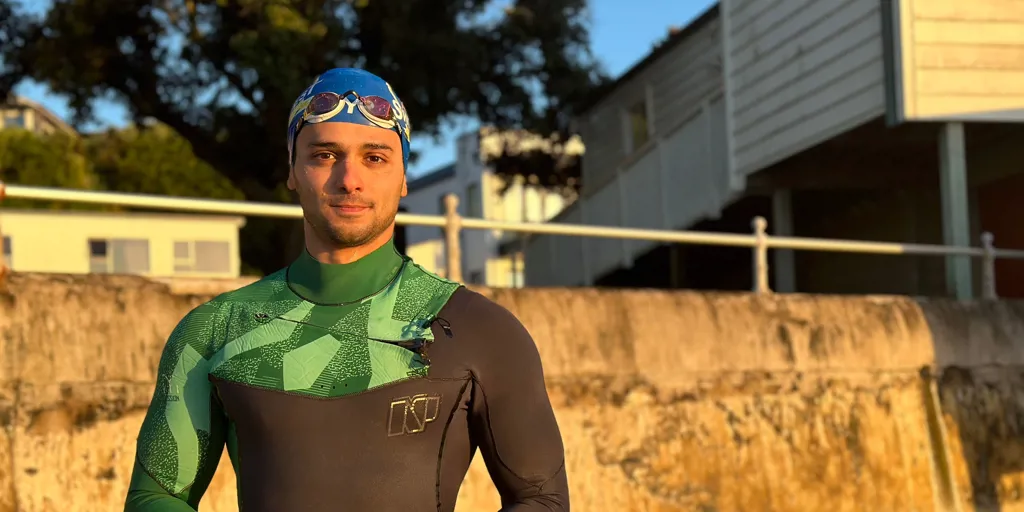
Eyad Masoud: Becoming a champion swimmer and advocate

Meet New Zealand for UNHCR Ambassador

RF1436150 OXY00582 (1)
Location icon
New Zealand

Kay’s kindness: Why she is leaving a gift in her Will

Kay shares why she’s passionate about making a lasting impact on the lives of refugees and displaced people.

New Zealand. Abdul Haidari At Work
© Supplied
Location icon
New Zealand

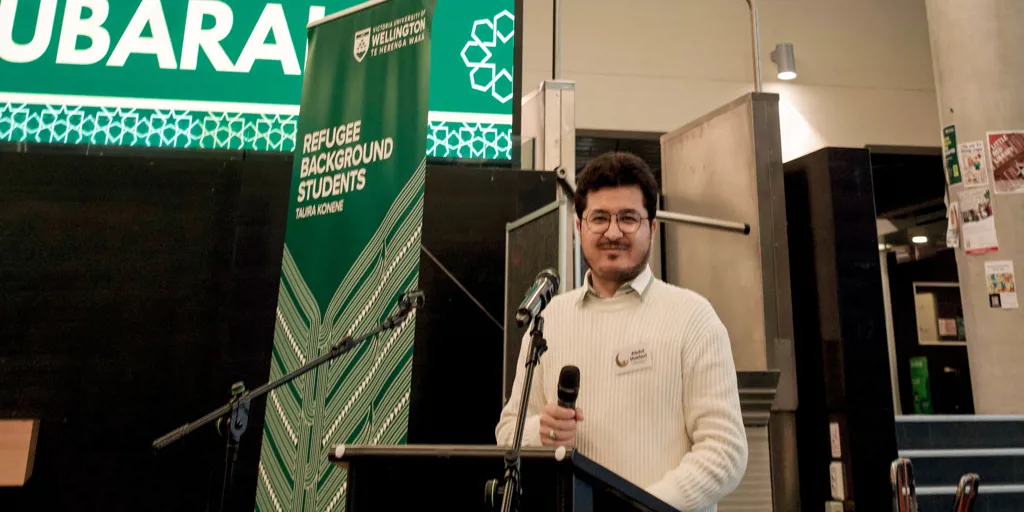
From Afghanistan to Aotearoa

Abdul Samad Haidari’s journey from refugee to advocate

Fundraising Commitment

Our fundraising impact

The majority of funds raised by Australia for UNHCR are directed to UNHCR’s emergency operations, providing the ready funds and resources to respond quickly and effectively in situations of crisis and disaster.

72%
Humanitarian programs
14%
Admin
14%
Fundraising