
 Afghanistan
Refugees forced to return to Afghanistan
Afghan refugees who fled their homeland years ago are forced back to an uncertain future.
A crisis is unfolding at the Afghan border, with Iran and Pakistan deporting refugees or pressuring them to leave with little warning.
Since the beginning of the year, almost 270,000 Afghans have been forced to return to a country facing widespread hunger, deepening poverty and severe restrictions on women and girls.
While many refugees have long dreamed of going home in peace and dignity, this is not that kind of return. Instead, families are being violently pushed out of the homes they've created, stripped of their belongings and forced back to Afghanistan.
They find themselves plunged right back into a humanitarian catastrophe.
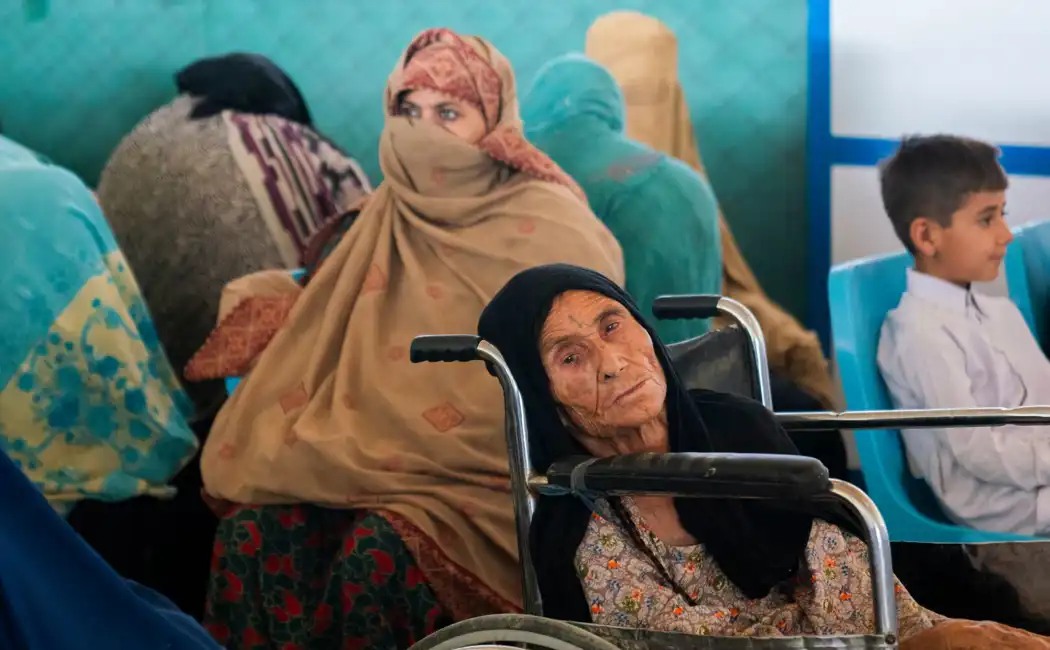
Why are people being forced to return to Afghanistan?
Since late 2023, Iran and Pakistan have forced millions of Afghans to return to their homeland. Many fled years or even decades ago due to conflict. Some were born abroad and have never even set foot inside Afghanistan before.
"UNHCR is concerned that returns are happening in extremely difficult conditions, and that many are not voluntary," said Arafat Jamal, UNHCR Representative in Afghanistan.
"Many people who returned said that they felt compelled to leave, as they saw fellow Afghans being deported. Returnees who arrived in Afghanistan in recent months have been sharing concerning stories of increased restrictions, harassment and discrimination."
What are the challenges for Afghans returning?
Afghanistan is in crisis. Conflict, insecurity and natural disaster have created widespread suffering. Over half the population lives in poverty and there are near-record levels of hunger.
Parents desperately look for work or resort to begging for food. When meals are available, they might consist of nothing more than stale bread and tea, or vegetable scraps boiled into a thin soup.
Refugee women like Asma are among those forced back into danger. They face extremely grim futures.
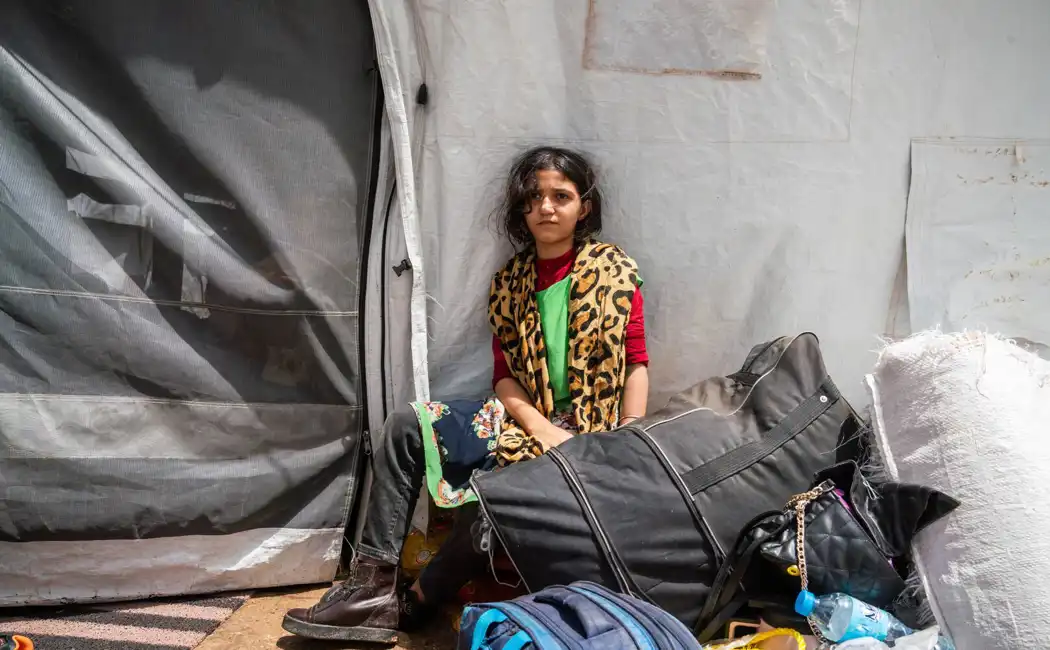
What is the situation for women and girls?
Since their takeover in 2021, the de facto authorities have introduced dozens of severe restrictions limiting the freedom of women and girls.
Girls are unable to continue their education beyond primary school, while women are barred from most jobs and from political life. In some provinces they are unable to catch public transport or visit a market without a male relative.
At the same time, funding cuts have fuelled a health crisis. Hundreds of health centres have been forced to suspend operations or close. There are widespread shortages of medical supplies and staff, particularly female staff.
These are the life-threatening conditions to which Asma, 40, and her two daughters are returning.
Asma used to work as a teacher in Afghanistan, but fled to Pakistan five years ago to seek treatment for cancer. She still had a year of treatment left when police detained her husband and told the family they had to leave.
“All refugees were given a deadline to leave,” says Asma. “My husband was arrested by the police in Pakistan. All our belongings were taken by the police. We brought only a few clothes with us, nothing else.
“We don’t have a house or a place to live. I don’t know how we’ll manage. The children need food and clothes. I worry that my children might fall behind in their education.”
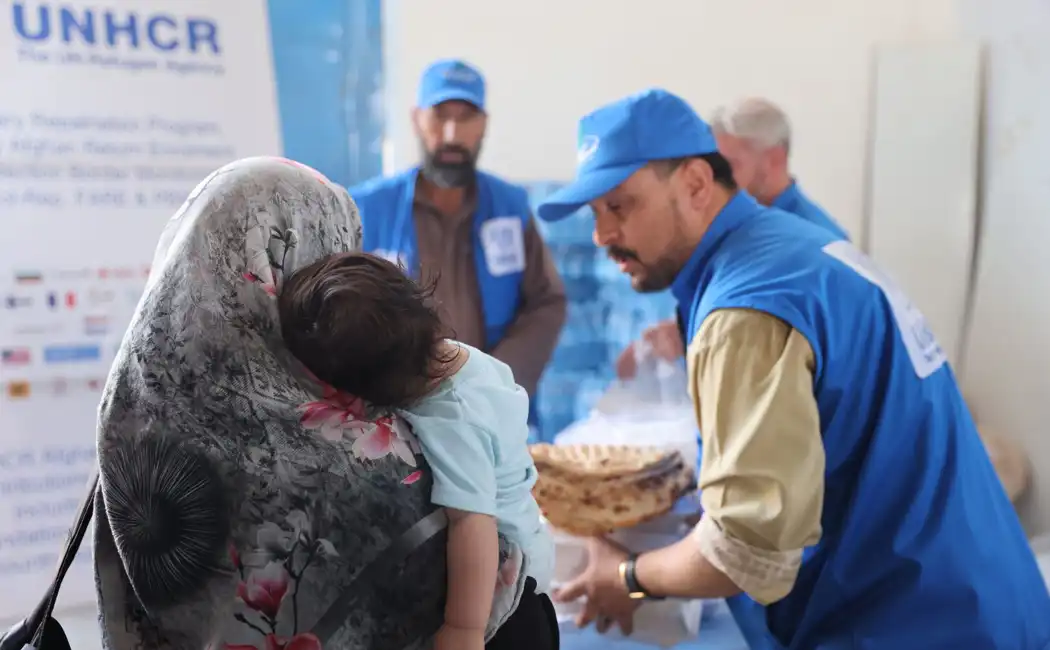
How is UNHCR helping?
UNHCR’s dedicated teams are on the ground, assisting returnees like Asma from the moment they reach the border. They are registering new arrivals, providing health checks, and distributing emergency cash so families can afford shelter, food and transport.
But with so many people returning, the need is overwhelming. An urgent donation today can help Afghans like Asma find their feet and rebuild from scratch.
Fill stomachs: Help mothers and children access life-saving malnutrition treatment, and provide emergency cash so families can afford meals.
Fill purses: Give women the opportunity to learn skills such as weaving and coding, and empower them to start their own small businesses so they can support themselves.
Fill futures: Give returnees the building blocks of survival and recovery – safe shelter, clean water and access to education wherever possible.
Updated August 2026